
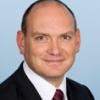
Mr Dirk Strauss, Consultant Surgical Oncologist and General Surgeon

The Royal Marsden Hospital, The Lister Hospital

Mr Dirk Strauss is a Consultant Surgical Oncologist and General Surgeon in the Sarcoma Unit and Skin Unit at The Royal Marsden Hospital and The Lister Hospital, London. Both hospitals have a unique one-stop diagnostic facility that provides clinical assessment, diagnostic imaging and needle biopsies in a single visit where patients are managed in the context of a multidisciplinaryRelating to a group of healthcare professionals with different areas of specialisation. specialist team.

He qualified as General Surgeon from the University of Stellenbosch (South Africa) obtaining MMed (Surg) and FCS (SAseptic arthritis) degrees. In 2006 he undertook a specialist fellowship at Guy’s and St Thomas’ Hospital, London, in upper gastrointestinal surgery with a special emphasis on surgery for gastrointestinal malignancies and complex oesophageal reconstructions. Mr Strauss completed the International Fellowship in Surgical Oncology at The Royal Marsden in 2008. He became Fellow of the Royal College of Surgeons of England. He has a special interest in surgery for soft tissueA group of cells with a similar structure and a specialised function. tumours, retroperitoneal and intra-abdominalRelating to the abdomen, which is the region of the body between the chest and the pelvis. sarcomas.

The Sarcoma Unit at The Royal Marsden Hospital is one of the largest soft tissue sarcoma units in Europe. It is recognised worldwide for its strength in diagnosing and treating soft tissue sarcomas. Patients are referred not only from London, but also from all over the United Kingdom and other countries. Some patients seek a second or third opinion, having been deemed inoperable elsewhere. In 2010, more than a 1000 new patients with suspected soft tissue tumours were treated at The Royal Marsden Hospital. 

Personal Statement on own philosophy to patient care:

I have an uncompromising insistence on efficiency and good outcomes; recognise the importance of function preservation in the treatment of limb sarcoma, and are familiar with the technical difficulties and challenges associated with surgery for retroperitoneal sarcoma. I strongly advocates that these rare tumours should be referred directly to specialist units and treated under the care of a multidisciplinary team who are experienced with sarcomas at all sites.
Articles: 
  • Malignant soft tissue sarcomas

    By Contact
    The Royal Marsden Hospital, The Lister Hospital

    The most common symptom of a malignantDescribes a tumour resulting from uncontrolled cell division that can invade other tissues and may spread to distant parts of the body. soft tissueA group of cells with a similar structure and a specialised function. sarcomaCancer of the connective tissues. (cancerAbnormal, uncontrolled cell division resulting in a malignant tumour that may invade surrounding tissues or spread to distant parts of the body.) is a painless, gradually enlarging lump. The growth rate of sarcomas varies with the aggressiveness of the tumourAn abnormal swelling., low grade tumours can grow slowly while aggressive high grade tumours can develop and enlarge rapidly. Diagnosis relies on clinical examination, imaging, and laboratory analysis (histopathology of a biopsyThe removal of a small sample of cells or tissue so that it may be examined under a microscope. The term may also refer to the tissue sample itself.). In most cases the laboratory examination of a tumour specimen is required before treatment is started.

  • Soft tissue tumours - symptoms and diagnosis

    By Contact
    The Royal Marsden Hospital, The Lister Hospital

    Soft tissueA group of cells with a similar structure and a specialised function. tumours that appear as lumps and bumps are a diverse group of tumours that can be benignNot dangerous, usually applied to a tumour that is not malignant. (non-cancerousMalignant, a tumour that may invade surrounding tissues or spread to distant parts of the body.) or malignantDescribes a tumour resulting from uncontrolled cell division that can invade other tissues and may spread to distant parts of the body. (cancerous). Soft tissue is defined as the supportive or connective tissueA type of tissue made up of fibres forming a framework and support structure for body tissues and organs. of the body and includes fibrous connective tissue, bone, muscleTissue made up of cells that can contract to bring about movement., fatOne of the three main food constituents (with carbohydrate and protein), and the main form in which energy is stored in the body., bloodA fluid that transports oxygen and other substances through the body, made up of blood cells suspended in a liquid./lymphA watery or milky bodily fluid containing lymphocytes, proteins and fats. Lymph accumulates outside the blood vessels in the intercellular spaces of the body tiisues and is collected by the vessels of the lymphatic system. vessels and the nervous systemThe network of nerves, which are bundles of nerve fibres carrying information in the form of electrical impulses.. All lumps are usually referred to as tumours whether they are benign or malignant. Benign soft tissue tumours are relatively common in the general population. Benign tumours cannot spread to other parts of the body but they can continue to grow at the original site where they can cause a problem by pressing on the surrounding organs.

  • Benign soft tissue tumours and other lumps and bumps

    By Contact
    The Royal Marsden Hospital, The Lister Hospital

    Benign soft tissueA group of cells with a similar structure and a specialised function. tumours are lumps and bumps that are non-cancerousMalignant, a tumour that may invade surrounding tissues or spread to distant parts of the body.. Soft tissue is defined as the supportive or connective tissueA type of tissue made up of fibres forming a framework and support structure for body tissues and organs. of the body and includes fibrous connective tissue, bone, muscleTissue made up of cells that can contract to bring about movement., fatOne of the three main food constituents (with carbohydrate and protein), and the main form in which energy is stored in the body., bloodA fluid that transports oxygen and other substances through the body, made up of blood cells suspended in a liquid./lymphA watery or milky bodily fluid containing lymphocytes, proteins and fats. Lymph accumulates outside the blood vessels in the intercellular spaces of the body tiisues and is collected by the vessels of the lymphatic system. vessels and the nervous systemThe network of nerves, which are bundles of nerve fibres carrying information in the form of electrical impulses.. All lumps are usually referred to as tumours whether they are benignNot dangerous, usually applied to a tumour that is not malignant. or malignantDescribes a tumour resulting from uncontrolled cell division that can invade other tissues and may spread to distant parts of the body.. Benign soft tissue tumours are relatively common in the general population. Benign tumours cannot spread to other parts of the body but they can continue to grow at the original site where they can cause a problem by pressing on the surrounding organs. They can also be cosmetically unsightly. There are a number of different types of benign soft tissue tumour that I will explain in this article.

Continuous improvement requires feedback and your opinions count. Do you have a few minutes to tell us what you think about this site?

Yes
No